Table of Contents
Thank-You Gift for a Stepparent: What to Say and Give
A thank-you gift for a stepparent works when the words fit your relationship. What stepfamily and gratitude research says, plus wording you can adapt honestly.
You’re standing in the card aisle in mid-June. There’s a whole rack for “Dad,” a smaller one for “Grandpa,” and exactly one card for “Stepdad,” which has a cartoon of a man grilling and the words “Not my real dad, but a real good one.” You put it back. It’s not wrong, exactly. It’s just not what you mean.
A thank-you gift for a stepparent is hard because the language around stepfamilies is clumsy. “Bonus mom” works for some people and makes others wince. “Like a father to me” can feel disloyal to a biological parent, or untrue. The solution is to skip borrowed labels and thank the person for specific things, using whatever name you already call them. Research on stepfamilies and on gratitude both point the same way, and this article walks through what they found and how to put it into words.
Key Takeaways
- About 42% of US adults have at least one step relative, and 18% have a living stepparent (Pew Research Center, 2011). You’re not in an unusual situation; the card aisle just hasn’t caught up.
- Adults generally report feeling less obligated to stepparents than to biological parents (Pew, 2011; Ganong & Coleman, 2006). A thank-you from a stepchild is therefore heard as chosen, not dutiful, which is part of its power.
- Stepparents’ small efforts to connect are linked to less conflict and closer stepfamily ties (Ganong et al., 2019). A thank-you that names those efforts recognizes the actual work.
- People underestimate how positive a specific thank-you makes the recipient feel and overestimate how awkward it will be (Kumar & Epley, 2018).
- Use the name you already use. Thank them for what they did, not for the role you think they’re supposed to fill.
Why thanking a stepparent feels so awkward
The questions people ask about this are telling. “What do I write in a Father’s Day card for my stepdad when I already have a dad?” “How do I thank my stepmom at my wedding without upsetting my mom?” “Is it weird to give my stepparent a gift if we’re not that close?” “What do you call a stepparent you love but who isn’t your parent?”
Underneath most of them is a worry about loyalty. Thanking a stepparent can feel like it takes something away from a biological parent, or like it announces a closeness that isn’t quite there. So people either say nothing, or reach for a stock phrase (“bonus dad,” “the dad I chose”) that doesn’t fit their own relationship.
There’s also a timing problem. Most step relationships don’t follow a holiday calendar. The moment you realize how much your stepmother did might be at your college graduation, the week after your father’s surgery, or the first time you’re a stepparent yourself. The card aisle offers Father’s Day and Mother’s Day. Real gratitude often arrives off-schedule.
And relationships vary enormously. Some people were raised from toddlerhood by a stepparent who is, in every practical sense, their parent. Others gained a stepparent at 35 when a widowed mother remarried. No single word or gift covers both, and pretending otherwise is what makes the generic options ring false.
What the research actually says about stepfamilies and gratitude
Step relationships are common, and obligations feel different
Pew Research Center’s 2011 report “A Portrait of Stepfamilies” found that 42% of American adults had at least one step relative: 30% had a step or half sibling, 18% had a living stepparent, and 13% had a stepchild. The report also asked about obligation. Among adults with both a living parent and a stepparent, 85% said they’d feel very obligated to help their parent with a serious problem, compared with 56% for their stepparent.
Lawrence Ganong and Marilyn Coleman found a similar pattern in a 2006 national study in the Journals of Gerontology, using vignettes with a probability sample of 1,058 US adults. Respondents saw adult children as owing less help to stepparents than to parents, and the gap was widest for stepparents acquired later in life; relationship quality also shaped the judgments. Their conclusion was blunt: stepparents gained in later life are generally not seen as family members, so family obligation norms don’t apply to them.
That sounds discouraging, but flip it around. If people don’t feel obligated to thank a stepparent, then a thank-you that does arrive is read as voluntary. It’s a choice. That’s exactly why it can mean more than a routine card to a biological parent.
Small efforts are what build these bonds
In a 2019 study in the Journal of Family Psychology, Ganong and colleagues surveyed 234 stepcouples (stepfathers and mothers, answering independently). They measured “affinity-seeking,” the small, deliberate things a stepparent does to build a friendship with a stepchild. Stepfathers’ affinity-seeking predicted both partners’ reports of less stepfather–stepchild conflict, better marital quality and greater stepfamily cohesion. The authors’ recommendation was to encourage stepparents to focus on building affinity.
This study only looked at stepfathers and only at the couples’ reports, not the children’s. Still, it describes what most stepchildren can recognize looking back: the rides, the help with homework, showing up at games, learning about a hobby, staying calm during a hard year. Those efforts are the actual content of the relationship. A thank-you that names them recognizes the work rather than the title.
Gratitude strengthens relationships with responsive people
Sara Algoe’s “find, remind, and bind” theory, laid out in Social and Personality Psychology Compass in 2012, proposes that gratitude’s main function isn’t settling debts but strengthening relationships with people who have been responsive to us. Gratitude helps us notice good relationship partners (find), reminds us of existing ones (remind), and draws us closer (bind). That frame fits step relationships well. They often start without history, and gratitude is one of the forces that builds it.
Thank-yous are received better than we predict
Amit Kumar and Nicholas Epley’s 2018 experiments in Psychological Science had people write gratitude letters and predict the recipient’s reaction. Writers underestimated how surprised and how happy recipients would feel, and overestimated how awkward they’d feel. Expected awkwardness was linked to people’s willingness to send thanks at all.
If you’re hesitating because a thank-you to your stepparent feels awkward, this is the finding to remember. The awkwardness is mostly on your side of the envelope.
Choosing words that fit your relationship
Here’s a decision matrix for wording, based on what the relationship actually is.
| If your relationship is… | Words that fit | Words to avoid | Gift that fits |
|---|---|---|---|
| They raised you from childhood and you call them Mom/Dad | Whatever you call them; “you raised me” | Hedged phrases that undercut the bond | Anything you’d give a parent, plus a specific memory |
| Close, but you also have an involved parent | Their first name or chosen nickname; “thank you for…" | "Like a second dad,” “real mom” comparisons | A note naming specific things they did |
| Cordial adult relationship (gained later in life) | First name; “I’m grateful you’re in Mom’s life” | Parent language you don’t feel | Something shared: a meal, a photo of them with your parent |
| Complicated or improving | Name one thing honestly; no grand claims | ”Always been there” if they haven’t | A short, sincere note; no gift needed |
| They’re grieving or your parent has died | Their name; “thank you for loving him and for…” | Anything that ranks relationships | A memory of them with your parent |
The pattern across every row: a specific thank-you and the name you already use. Labels are optional; specifics aren’t.
What to actually do
Use the name you already use
If you call her Linda, write “Linda.” If you call him Pop, write “Pop.” Don’t introduce a new label in a card because it seems expected. The Pew and Ganong data suggest people hold different expectations for step relationships, and a sudden “Dad” can feel more like a performance than a thank-you.
Name three specific things
Think of three concrete moments: the night they drove four hours to pick you up, the way they learned your favorite team’s lineup, the quiet help with a college application. Write them down. This is the affinity-seeking that Ganong’s research describes, and naming it shows you noticed. It’s also the part Kumar and Epley found recipients are most surprised by.
Thank them for what they did for your parent, too
Many adult stepchildren are most grateful for how a stepparent cared for their mother or father: through illness, a move, a hard year. Saying so is honest, doesn’t compete with anyone, and often matters deeply to the stepparent.
Avoid comparison language
“Better than my real dad” or “more of a mom than mine ever was” might feel true in the moment, but it turns a thank-you into a judgment and can wound people who will eventually hear about it. Thank the person in front of you without ranking anyone.
Pick a moment that isn’t loaded
Father’s Day and Mother’s Day can be complicated when two parents and a stepparent are in the picture. A birthday, the anniversary of their marriage to your parent, or a random Tuesday after something they did can carry the thanks without the competition.
Keep the gift proportionate
For a close, parent-like relationship, a meaningful gift makes sense. For a cordial adult relationship, a heartfelt note or a shared meal is usually the right size. A lavish gift can feel like pressure. The words are the gift; anything else supports them. For more on why the thinking behind a present often goes unseen unless you make it visible, see this blog’s piece on why the thought behind a gift goes unnoticed.
What not to do
Don’t use a public moment, like a wedding toast, for the first time you’ve ever thanked them unless you know they’ll welcome it. And don’t present the thank-you as a statement to your biological parent. If it’s for the stepparent, make it about them.
How to make it personal
If you have 10 minutes
Write down three specific things your stepparent did that you’re grateful for. Use the name you call them. That list is already most of the card.
If you have a weekend
Find one photo of them with you or with your parent from a moment you’re thankful for. Write a note of 100 to 150 words built around the three things on your list. Give it in person if you can.
If you want it to last years
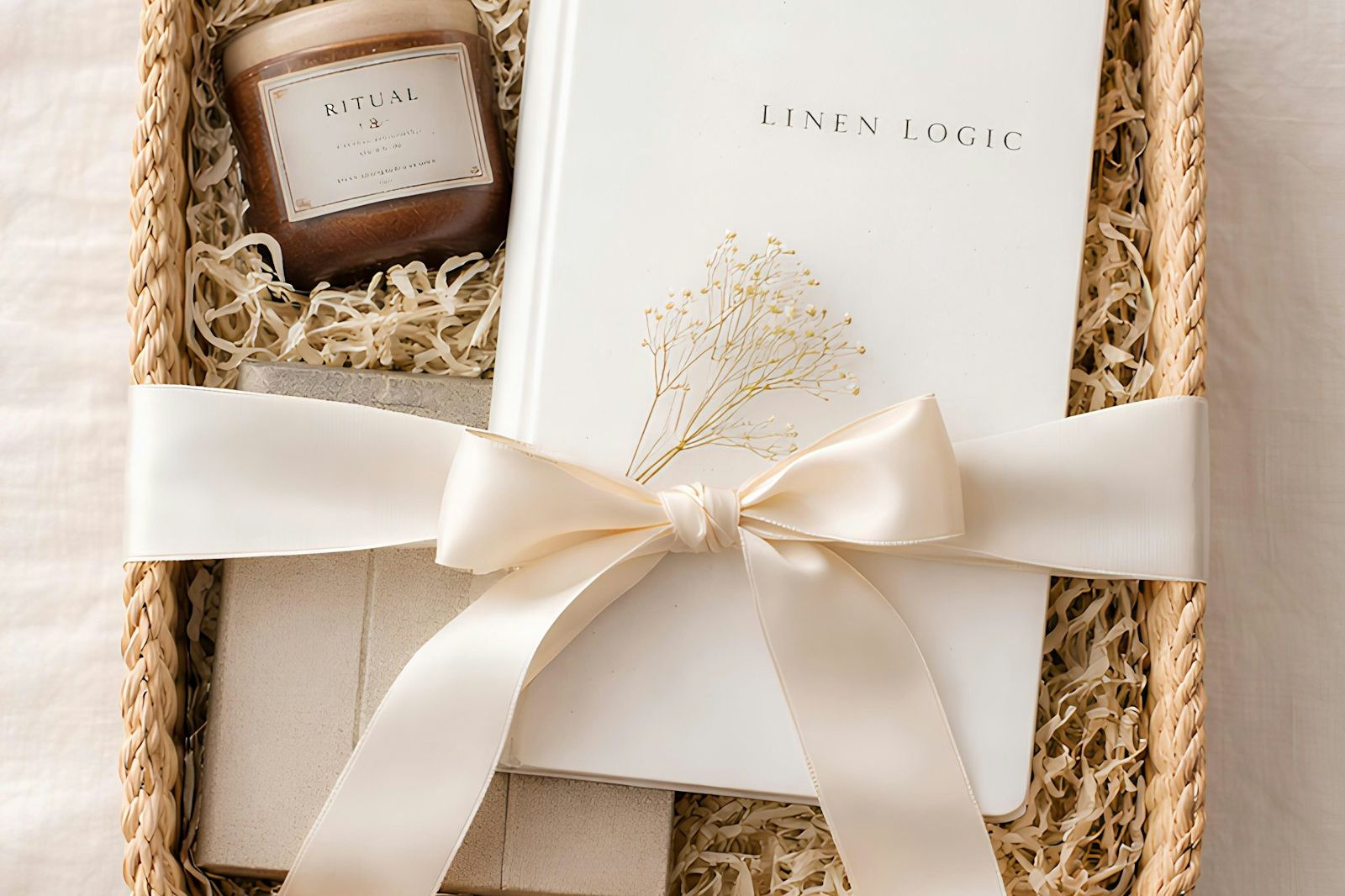
Turn the thank-you into something they can keep: the letter in a frame, a small album of the moments you named, a recorded message. For ideas on choosing memories that carry meaning, see the article on what makes a gift feel personal.
The question to ask yourself: “Am I thanking them for something they actually did, in words I’d actually say to them?”
Frequently asked questions
What do you write to a stepparent to say thank you?
Use the name you already call them and name specific things they did: a ride, a hard conversation, how they cared for your parent. “Thank you for teaching me to drive when I was terrified, and for being so patient with Mom last winter” says more than any label. Keep it to a few sentences.
Should I give my stepdad a Father’s Day gift if I have a dad?
You can, and many people do. If it feels complicated, give it on a different day (his birthday or a random weekend) or keep it to a note naming specific things he’s done. A thank-you to a stepparent doesn’t take anything away from a parent.
What do you call a stepparent you’re close to?
Whatever you already call them: a first name, a nickname, or Mom or Dad if that’s what your relationship uses. There’s no correct label. In a thank-you, the specifics carry more weight than the title.
Is it weird to thank a stepparent you’re not close with?
No. Gratitude research shows recipients feel more positive and less awkward than writers expect (Kumar & Epley, 2018). Keep it proportionate: thank them for one honest thing, such as how they treat your parent, without claiming a closeness that isn’t there.
What is a good gift for a stepparent?
One that matches the relationship. For a parent-like bond, anything you’d give a parent plus a specific written memory. For a newer or cordial relationship, a sincere note, a shared meal or a photo of them with your parent. The words matter more than the object.
About the author
Ricky Flores is the founder of Watch N Wow and an electrical engineer with 15+ years of experience building consumer technology at Apple, Samsung, and Texas Instruments. In Dallas, Texas, he builds the Mini Memory TV by hand: a small retro TV that plays a video, a message and an original song made from your photos and your story. Read more at watchnwow.com.
Sources
- Pew Research Center (2011). “A Portrait of Stepfamilies.” https://www.pewresearch.org/social-trends/2011/01/13/a-portrait-of-stepfamilies/
- Ganong, L., & Coleman, M. (2006). “Obligations to stepparents acquired in later life: Relationship quality and acuity of needs.” The Journals of Gerontology, Series B, 61(2), S80–S88. https://doi.org/10.1093/geronb/61.2.s80
- Ganong, L., Jensen, T., Sanner, C., Russell, L., & Coleman, M. (2019). “Stepfathers’ affinity-seeking with stepchildren, stepfather–stepchild relationship quality, marital quality, and stepfamily cohesion among stepfathers and mothers.” Journal of Family Psychology, 33(5), 521–531. https://doi.org/10.1037/fam0000518
- Algoe, S. B. (2012). “Find, remind, and bind: The functions of gratitude in everyday relationships.” Social and Personality Psychology Compass, 6(6), 455–469. https://doi.org/10.1111/j.1751-9004.2012.00439.x
- Kumar, A., & Epley, N. (2018). “Undervaluing gratitude: Expressers misunderstand the consequences of showing appreciation.” Psychological Science, 29(9), 1423–1435. https://doi.org/10.1177/0956797618772506