Table of Contents
Alumni Reunion Keepsakes That Go Beyond the Class Photo
Alumni reunion personalized keepsakes work when everyone can find themselves in them. Nostalgia and exclusion research on collecting stories and photos fairly.
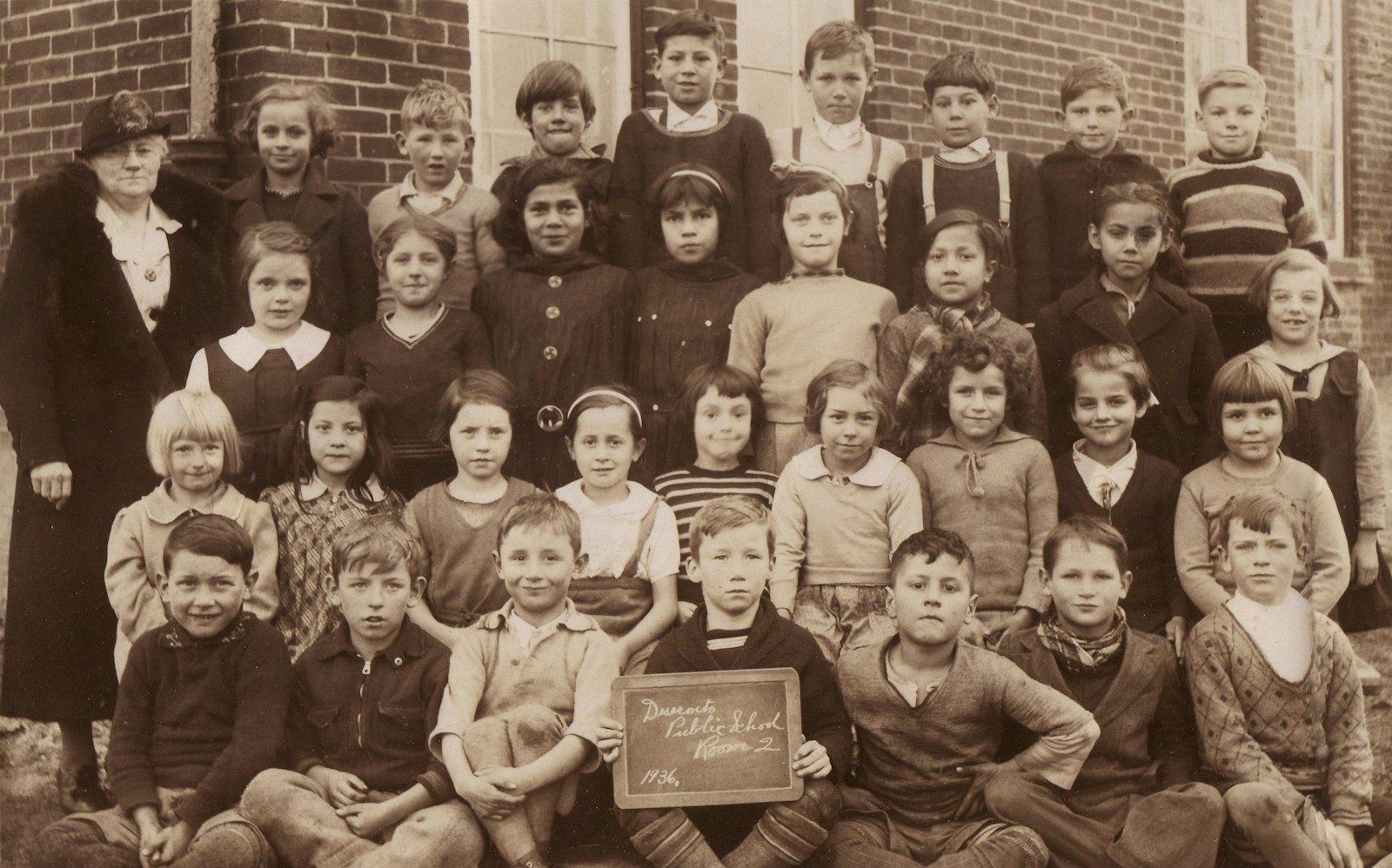
The reunion committee has the class photo. Everybody knows the one: three rows on the gym bleachers, the year painted on a banner, the kid in the back making a face. It’s going on the cover of the program, the welcome banner and the keepsake card.
Then someone on the committee says quietly: “I’m not in that photo. I transferred in junior year.” Someone else was out sick that day. A third person was in the photo but spent four years on the edges of it.
Alumni reunion personalized keepsakes work when every attendee can find themselves in them. The research on nostalgia says the memories people treasure center on themselves among people they were close to. The research on exclusion says being left out stings, even in small ways. Both point past the famous photo toward many people’s approved stories.
Key Takeaways
- Nostalgic memories typically feature the self as the protagonist, with close others or in momentous events (Wildschut et al., 2006). A keepsake should let each person find their own version of the school years.
- Nostalgia bolsters social bonds and increases a sense of meaning, largely through feeling connected (Routledge et al., 2011). Reunion keepsakes can do this on purpose.
- Being ignored or excluded, even briefly, produces sadness and anger and threatens basic needs like belonging (Williams, 2007). Leaving people out of a keepsake is a small version of that.
- Collect stories and photos from many attendees, with explicit consent, and balance representation across groups, years and friend circles.
- Memories of classmates who have died deserve a gentle, separate place, decided with care.
The problem with the famous class photo
Reunion organizers search for the same ideas every year: “class reunion favors”, “reunion memory book ideas”, “what to give at a 25-year reunion”. The answers converge on items printed with the school logo, the class year and the class photo. They’re easy, they look official, and they serve the people who were at the center of that photo well.
They serve everyone else less well. Class photos capture one day. They miss the transfer students, the students who were absent, the students who left early, the band kids who were at a competition. They also preserve the social map of that moment: who stood next to whom, who was in the middle. For some attendees, that map is a good memory. For others it’s a reminder of why they hesitated to RSVP.
There’s a practical problem too. Reunions span many lives. Some attendees are coming back for the first time in decades. Some have changed names. Some have stories from school that nobody on the committee knows, because they happened in a corner of the building the committee never visited.
A keepsake built from one photo tells one story. A reunion has hundreds.
What the research says about nostalgia, belonging and being left out
Nostalgic memories center on you, among people you cared about
Tim Wildschut, Constantine Sedikides, Jamie Arndt and Clay Routledge (2006, Journal of Personality and Social Psychology) ran seven studies on what nostalgia is, what triggers it and what it does. Descriptions of nostalgic experiences typically featured the self as the protagonist, interacting with close others like friends, or in momentous events like weddings. They contained more positive than negative emotion and often described difficult moments that were later redeemed. Nostalgia was triggered by negative mood and loneliness, and it bolstered social bonds, raised positive self-regard and generated positive feelings.
The key detail for a reunion is “the self as the protagonist”. People don’t feel nostalgic about the school in general. They feel nostalgic about themselves in it: their lunch table, their teacher, their team, their first terrible car. A keepsake that holds only the institution’s version of events misses where nostalgia actually lives.
Nostalgia creates connection and meaning
Sedikides, Wildschut, Arndt and Routledge (2008, Current Directions in Psychological Science) summarized the research: nostalgia is a predominantly positive, self-relevant and social emotion; the most frequent objects of nostalgic reverie were close others, momentous events and settings; and nostalgia generates positive affect, increases self-esteem, fosters social connectedness and alleviates existential threat. They also note that over 80% of British undergraduates in one study reported feeling nostalgic at least once a week.
Clay Routledge and colleagues (2011, Journal of Personality and Social Psychology) went further across six studies: nostalgia increased a sense of meaning in life, and that link ran through feelings of social connectedness. A reunion is already a nostalgia machine. A keepsake that helps people reconnect with specific others amplifies the part of nostalgia that does the most good.
Being left out hurts, even in small doses
Kipling Williams (2007, Annual Review of Psychology) reviewed the research on ostracism, social exclusion and rejection. Being ignored, excluded or rejected signals a threat that people detect quickly, as pain and distress. Even brief episodes produce sadness and anger and threaten fundamental needs: belonging, self-esteem, control and meaningful existence. People then act to restore those needs, sometimes by reaching out, sometimes by pulling away.
A reunion keepsake isn’t an experiment in exclusion. But flipping through a memory book and not finding yourself, or seeing only the one clique’s photos, is a small, real version of being overlooked, at an event whose purpose is belonging.
Keepsakes act as memory pointers
Gal Zauberman, Rebecca Ratner and B. Kyu Kim (2009, Journal of Consumer Research) found that people protect special memories and seek “memory pointers” to retrieve them later. A reunion keepsake can be a pointer to a whole period of life, but only to the parts it actually points at. The more people’s moments it includes, the more people it works for.
Keepsake approaches compared
This table compares common reunion keepsakes on whether they include people beyond the center of the class photo. Ratings are editorial judgments based on the research above.
| Keepsake approach | Includes people outside the class photo? | Self as protagonist? | Effort | Where it falls short |
|---|---|---|---|---|
| Reprinted class photo | No | For some | Low | Misses transfers, absentees, quieter students |
| Logo item with class year | Neutral | No | Low | Marks the event, recalls nothing specific |
| Memory book from committee’s photos | Partly | For the committee’s circle | Medium | Reflects who organized it |
| Crowdsourced memory book or video (stories + photos from many attendees, with consent) | Yes | Yes | High | Needs time, outreach and editing for balance |
| ”Then and now” page per attendee, optional | Yes, for those who opt in | Yes | Medium to high | Some won’t want a “now” photo; keep it optional |
| Map or timeline of shared places and moments | Yes | Partly | Medium | Needs input from many groups to be fair |
| Personalized keepsake per attendee (name, their photo, their memory) | Yes | Yes | High | Coordination and accurate details for everyone |
The common thread in the higher-scoring rows is input from many people. The extra effort is the point. It’s what turns an institutional souvenir into a keepsake that people from every corner of the class recognize.
What to actually do
Invite stories from everyone, not just the committee
Send one short request to every attendee and every classmate you can reach: one photo and one memory, with a deadline. Ask open questions that bring out different corners of school life: “a teacher who changed something for you”, “a place in or near school only your friends knew about”, “a moment from a team, club, band, job or bus ride”. Our guide on how to collect names and photos for a group gift order has a template you can adapt.
Ask for consent explicitly, including for other people in the photo
Each contributor should confirm they’re happy for their photo and story to appear, and whether others in the photo agreed. People’s lives have changed; someone may not want an old photo or a former name in print. The FTC’s guidance for businesses, written for any personal information, is a sensible baseline: collect only what you need, protect it and delete what you don’t keep.
Balance before you publish
Before finalizing, count. How many entries come from each friend group, team, neighborhood, year of entry? Who has no entries at all? Reach out personally to underrepresented groups and to people who transferred in or left early. Williams’s review of exclusion is a reason to do this deliberately rather than hoping it balances itself.
Make “now” optional
“Then and now” pages are popular and can be lovely. They can also be painful for people dealing with illness, loss or big life changes. Offer them as an opt-in, and accept “then only” without comment.
Give classmates who have died a gentle place
Many reunions include a memorial page or moment. Decide with care, ideally with input from families where possible: a simple list of names, a photo each family has chosen, a moment of quiet. Keep it separate from celebratory pages and avoid turning grief into decoration.
Let each person find themselves
If the keepsake is personalized for each attendee, put their own photo and their own memory in it, alongside the shared class material. That’s the “self as protagonist” finding in practical form. For older printed photos people send in, a basic scanning routine helps; see our guide to rescuing the photos in your phone and boxes.
What not to do
Don’t let the committee’s photos stand in for the class. And don’t publish anything people didn’t approve, no matter how funny or harmless it seems to the person who sent it.
How to make it personal
If you have 10 minutes
Look at the famous class photo and list who’s missing: transfers, people absent that day, people who left early. That list is the start of your outreach.
If you have a weekend
Call or message five classmates outside your own circle from school. Ask each for one memory and one photo. You’ll find stories the committee never knew, and you’ll make five people feel remembered before the reunion even starts.
If you want it to last years
Create a keepsake where each person can find their own version of those years: their photo, their memory, the people they were close to, alongside the shared moments of the whole class. It’s the same reason nostalgia makes gifts feel bigger: the past matters most when you’re in it.
The question to ask yourself: “Could a classmate who wasn’t in the class photo open this keepsake and find themselves in it?”
Frequently asked questions
What are good keepsakes for a class reunion?
The best reunion keepsakes include many attendees’ memories, not just the class photo: a crowdsourced memory book or video, a personalized keepsake with each attendee’s own photo and story, or a timeline of shared places and moments. Research on nostalgia shows people treasure memories where they’re at the center.
How do you make a reunion memory book inclusive?
Invite one photo and one memory from every classmate you can reach, ask open questions that bring out different parts of school life, count representation across groups before publishing, and personally contact people with no entries. Get consent for every photo and story, including from others pictured.
Should reunion keepsakes include classmates who have passed away?
Many reunions include a memorial page or moment. Keep it gentle and separate from celebratory material, and involve families where possible, for example by letting them choose the photo. A simple list of names with a quiet moment is often more fitting than decoration.
Do I need permission to use old photos in a reunion book?
It’s best practice to ask everyone pictured, and to record the answer. People’s lives and names change, and an old photo may be one they’d rather not see published. Ask contributors whether others in their photos have agreed, and leave out anything that hasn’t been approved.
How do you get classmates to share memories for a reunion?
Send one short, personal request with a clear deadline and a single reminder. Ask specific, easy prompts like a favorite teacher or a place only your friends knew. Reach out individually to people outside the committee’s circle; a personal message gets more replies than a group post.
About the author
Ricky Flores is the founder of Watch N Wow and an electrical engineer with 15+ years of experience building consumer technology at Apple, Samsung, and Texas Instruments. In Dallas, Texas, he builds the Mini Memory TV by hand: a small retro TV that plays a video, a message and an original song made from your photos and your story. Read more at watchnwow.com.
Sources
- Wildschut, T., Sedikides, C., Arndt, J., & Routledge, C. (2006). “Nostalgia: Content, triggers, functions.” Journal of Personality and Social Psychology, 91(5), 975–993. https://doi.org/10.1037/0022-3514.91.5.975
- Sedikides, C., Wildschut, T., Arndt, J., & Routledge, C. (2008). “Nostalgia: Past, present, and future.” Current Directions in Psychological Science, 17(5), 304–307. https://doi.org/10.1111/j.1467-8721.2008.00595.x
- Routledge, C., Arndt, J., Wildschut, T., Sedikides, C., Hart, C. M., Juhl, J., Vingerhoets, A. J. J. M., & Schlotz, W. (2011). “The past makes the present meaningful: Nostalgia as an existential resource.” Journal of Personality and Social Psychology, 101(3), 638–652. https://doi.org/10.1037/a0024292
- Williams, K. D. (2007). “Ostracism.” Annual Review of Psychology, 58, 425–452. https://doi.org/10.1146/annurev.psych.58.110405.085641
- Zauberman, G., Ratner, R. K., & Kim, B. K. (2009). “Memories as assets: Strategic memory protection in choice over time.” Journal of Consumer Research, 35(5), 715–728. https://doi.org/10.1086/592943
- Federal Trade Commission (2016). “Protecting Personal Information: A Guide for Business.” https://www.ftc.gov/business-guidance/resources/protecting-personal-information-guide-business